Compost Guide

For our residential members
What’s the word on all things groovy and all things soupy, you ask? Below is our compost guide to items we accept and items we are currently unable to process through our Residential Drop-off Program.
Have a question about other items not listed here? Send us a message and we’ll let you know whether our microorganisms give their approval.
For our commercial and event clients
We can accept everything listed here, as well as meat, dairy, and additional case-by-case items. Please reach out to us if you want to compost something not listed below.
Download Compost Guide
Click here to download a PDF version of this compost guide – print it and tack it on your fridge!


NO - Keep Out *
Dairy
Meat and fish
Large quantities of oils and grease
Plastics, including all produce stickers
Garbage
Clothing
"Compostable" and "biodegradable" serviceware (including utensils, plates, cups, and compostable liners other than Biobag)
Parchment paper and wax paper
Pet waste
*For our commercial and event clients - Please reach out to us if you need unique accommodations for dairy, meat, or fish.

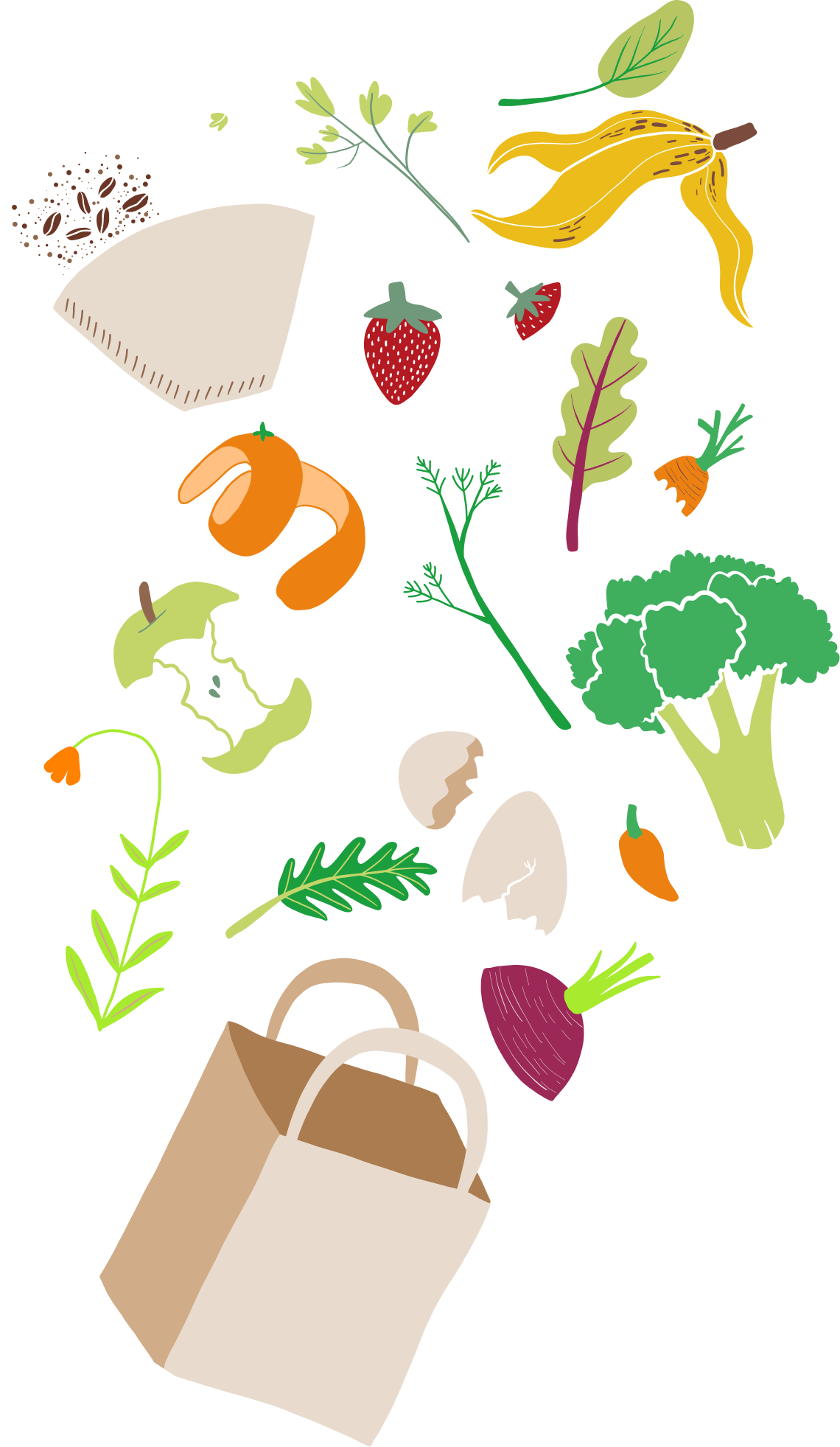
YES - We Accept
Fruits and vegetables
Herbs and spices
Coffee grounds and paper filters
Loose tea leaves
Note: we do not accept any type of tea bag, tea strings, tea wrappers, or other tea packaging.
Eggshells
Bread and pastries
Pasta, rice, and grains
Cooked food
Nuts and nutshells
Cut flowers and houseplants
Paper napkins, paper towels, and paper bags
Note: Remove all tape and staples
Shredded, non-glossy paper
Cardboard
Note: Remove all tape and staples and cut up cardboard
BioBag-brand compostable liners


What’s the Scoop on Compostable Single-Use Items?
We know. It sounds nuts that we don’t accept these.
How can a compost service not accept cups, bowls, utensils, or to-go containers labeled compostable? We have good reason.
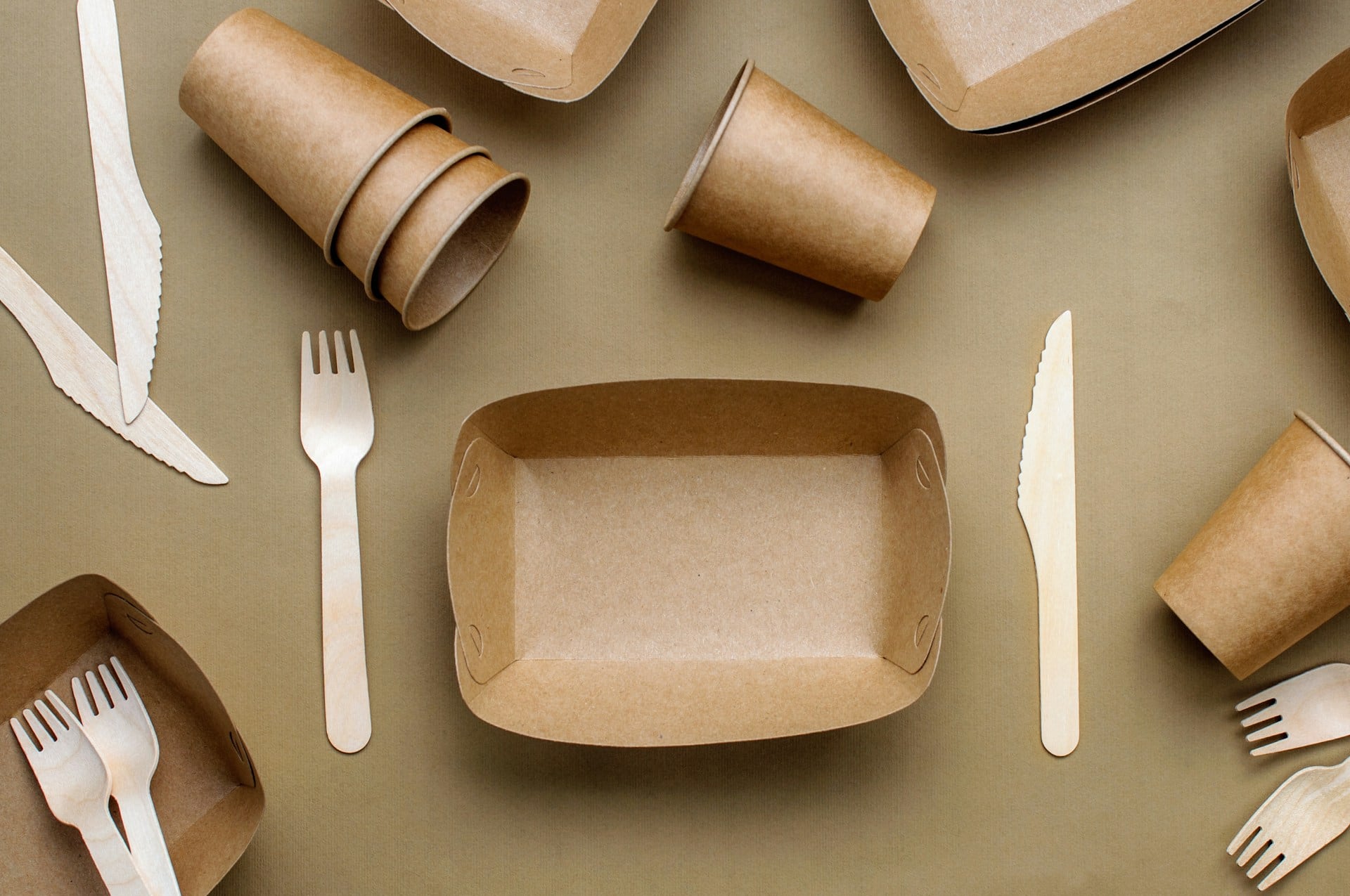
The compostable single-use market is still relatively new, and compostability varies widely between products. PFAS are a growing health concern and are found in many products, including compostable serviceware.
In order to ensure our farm partners are receiving compostables that won’t contaminate their soils, we have decided not to accept compostable single-use items*.
Our reasoning includes:
It’s so hard to verify actual compostability.
Greenwashing affects compostables too. Product labeling varies greatly, and many products are not 3rd-party certified compostable. Without a certification or proper source labeling, there’s no way to know if a product is actually compostable, even if it is says "compostable."They are not environmentally better.
Compostable single-use items often require more energy and water to produce, compared to single-use plastics. Between the recycling services in Cincinnati and Hamilton County and the Cincinnati Recycling & Reuse Hub, most non-compostable single-use items are actually recyclable.Many compostable single-use items don’t reliably break down through a compost cycle.
They often require higher temperatures for longer periods of time.PFAS are a growing health concern.
PFAS are found in many products, including many compostable single-use items.Compostable plastics invite look-alikes.
The labeling and packaging of compostable and non-compostable plastics can be confusing. Accepting some of these items increases contamination of real plastic and other non-compostable material.Composting is as much about soil rejuvenation as it is about landfill diversion.
Compostable single-use items are “empty calories,” as in they don’t contribute many nutrients to a compost pile.What about an item labeled biodegradable or “made from plants”?
Biodegradable is an even more nebulous term than compostable! It just means that the product will biodegrade over time - and that could mean in one month, or 500 years. Made from plants is just as nebulous. In fact, “made from plants” claims are commonly found on plastic packaging that should be recycled (i.e. PET made from ethanol derived from corn).They are being rejected by even large-scale composters nationwide.
The multitude of reasons above are creating issues for large-scale composters too. Some facilities that originally accepted these are pulling back, finding compostable single-use items too challenging to compost adequately and safely.- A1 Organics, Colorado’s largest composter
- ‘Compostable’ plastics no longer able to be composted in Boulder
- Keep that pizza box out of the green bin. Colorado’s largest compost processor will no longer accept packaging and paper products - Chittenden Solid Waste District in Vermont
- Why We Will No Longer Accept Compostable Food Ware
- Using a compostable cup, plate or spoon? Starting Jan. 1, this Vt. facility says leave it out of the compost bin - Little Green Bucket and Soilutions in New Mexico
- Policy change: no more compostable plastics - Joint Message from Composters Serving Oregon
- PDF: Why We Don’t Want Compostable Packaging and Serviceware
*Our *one* exception is Biobag-brand compostable liners. We have found that this specific brand of liners reliably breaks down in our farm partners’ compost piles and has been BPI-certified to ensure no PFAS, while still providing an added level of cleanliness to our customers. The trillions of compost microorganisms and us appreciate you using only Biobag-brand compostable liners.
Additional references:
“Environmental Impacts of Packaging Options” by D. Allaway, J. Rivin, M. Mistry and P. Canepa. BioCycle. March/April 2019.
“Why Compostable Packaging Isn’t a Silver Bullet Solution” by Suz Okie and Sydney Harris. The Maine Journal of Conservation and Sustainability. April 19, 2025. Spire 2025 Issue